

Supplement Buying Guides

Top Organic Supplements in the UK That Really Work
Discover top organic supplements UK to boost health naturally. Explore natural, high-quality products for wellness, detox, muscle support, and more.
 Skip to content
 Menopause matters are often shrouded in mystery, leading to confusion and uncertainty for women approaching this natural stage of life. It’s time we break the silence surrounding menopause and provide women with the information and support they need to embrace this transition with confidence.
While many associate menopause solely with hot flashes, menopause matters extend far beyond this common symptom. Menopause marks a significant turning point in a woman’s life, representing not only the end of reproductive years but also a shift in hormonal balance and overall well-being.
Understanding the physical and emotional changes associated with menopause affects can empower women to make informed decisions about their health and manage this transition with grace. As I entered perimenopause, I initially noticed subtle changes like irregular periods. After consulting with my healthcare provider, we discussed ways to manage these changes, which included lifestyle modifications and treatment options.

Many women are surprised to learn that menopause doesn’t just suddenly happen—it’s a gradual process that unfolds in stages, each marked by specific hormonal fluctuations and potential symptoms. Understanding these stages is the first step in feeling more in control of your experience.
Perimenopause is the period leading up to menopause, often starting in a woman’s 40s, although it can vary. It’s during this time that estrogen and progesterone levels begin to fluctuate irregularly, causing the most commonly known menopause symptoms, such as irregular periods, hot flashes, night sweats, and mood swings. Some women may experience premature menopause or find that certain factors, like smoking, can accelerate the onset of menopause by as much as two years. Smoking cessation is recommended to help minimize such changes.
Menopause is officially diagnosed after a woman has gone 12 consecutive months without a period, usually around age 52 in the United States. Estrogen and progesterone production drops significantly at this stage. However, postmenopausal symptoms such as hot flashes can continue for up to 14 years, according to research published in Menopause.
Postmenopause encompasses all the years following menopause. Estrogen remains at low levels, and some symptoms, such as vaginal dryness, may persist. It’s important to note that the postmenopausal phase brings an increased risk of health problems, such as osteoporosis and heart disease, as estrogen is involved in bone and heart health.
It’s essential to prioritize your bone health during and after menopause. The drop in estrogen production can leave your bones more vulnerable to fracture.
The best thing to do for menopause bone health is to incorporate more calcium-rich foods, like dairy or leafy green vegetables, into your diet and engage in weight-bearing exercises to strengthen your bones, in addition to other helpful treatments you discuss with your healthcare provider.
Navigating the physical and emotional mental health landscape of menopause matters, requiring a holistic approach to well-being. Here are some common areas of impact:
Many women considering hormone therapy (HT) find the array of information confusing. Often misunderstood, hormone replacement therapy (HRT) aims to replace the estrogen that the body stops making. However, because it does come with some risks, especially when used long-term, seeking information from a reliable medical source like MedlinePlus is important.
Deciding if HRT is right for you is a highly personalized decision that should involve discussions with your doctor. Here are some points to consider.
| Benefits | Risks |
|---|---|
| Significant relief from hot flashes, vaginal dryness, and other menopause symptoms | Possible increase in the risk of breast cancer, stroke, heart disease, and blood clots (depends on type, dose, duration) |
| Reduced risk of osteoporosis (estrogen supports bone health) | Not suitable for everyone (women with a history of certain conditions may be advised against it) |
| May improve mood, energy levels, and overall sense of well-being | Potential for unwanted side effects (bloating, breast tenderness, headaches) |
Navigating menopause requires understanding its multifaceted nature. Here’s what helped me adjust during this transition.
Menopause matters. Taking care of your emotional and physical health is essential. Creating a consistent self-care routine goes a long way toward better managing this journey.
Tracking your symptoms in a journal, practicing mindfulness and meditation, and engaging in regular physical activity are beneficial. Other helpful practices include deep breathing, aromatherapy, and seeking support from friends or therapists, as they can bring noticeable relief.
Prioritizing your bone health during and after menopause is crucial, as the drop in estrogen production can leave your bones more vulnerable to fracture.
The best thing to do for menopause bone health is to incorporate more calcium-rich foods like dairy or leafy green vegetables into your diet and engage in weight-bearing exercises to strengthen your bones, in addition to other helpful treatments you discuss with your healthcare provider.
Eating a balanced diet tailored to your needs can lessen menopausal symptoms. Foods rich in phytoestrogens (like soybeans, chickpeas, flaxseeds, grains, and certain fruits and veggies), which help mimic estrogen’s effects, can bring natural relief.
Focus on staying hydrated, prioritizing whole foods, lean proteins, and heart-healthy fats while limiting your caffeine and alcohol intake, as both can make hot flashes more intense. For extra support, supplements such as vitamin D and calcium are worth discussing with your physician.
Maintaining an active lifestyle helps to alleviate many menopause symptoms. Regular physical activity can help combat weight gain, boost your mood, improve sleep quality, and reduce anxiety.
Engaging in strength training to counteract age-related muscle loss while incorporating cardio activities like walking or swimming keeps your body strong and your mind clear. Equally important are social engagement and activities, which can be excellent sources of support. Staying connected to loved ones or exploring new social avenues reminds you that you’re not alone in this experience.
Every woman’s experience is different, and what feels most challenging to one might not be to another. It’s helpful to remember that what is happening is natural and manageable. That being said, hot flashes, night sweats, mood swings, and vaginal dryness are among the commonly cited problematic symptoms.
Patience and empathy are key, but communication is crucial. Educating themselves about what their partners are experiencing through reputable resources or couples therapy can lead to better understanding and a united front against these challenges. Premenstrual syndrome (PMS) is another time men need to be supportive.
The choice to use HRT or other menopause symptom treatment options is very personal and depends on your overall health history, the severity of symptoms, and your individual needs. Consulting with a medical professional is crucial.
Unfortunately, there’s no one-size-fits-all answer, as the best menopause management approach depends on each person’s symptoms and circumstances. Openly discussing available options and exploring treatments—ranging from hormone therapy and non-hormonal medication to dietary modifications, lifestyle changes, herbal remedies, and support groups—can help tailor the perfect plan for each woman’s needs.
Menopause matters to every woman’s well-being as it’s an unavoidable, natural phase of life. It’s an opportunity for a positive transformation, with a focus on taking care of both physical and mental health.
We’ve delved into what you can expect during each stage, as well as the range of physical and emotional symptoms, and touched on HRT. We’ve also seen that support systems, self-care routines, dietary changes, and physical activity can make this transition much smoother.
Ultimately, embracing this life stage means feeling prepared to navigate what lies ahead.
Discover top organic supplements UK to boost health naturally. Explore natural, high-quality products for wellness, detox, muscle support, and more.
Find the best ways to boost energy naturally with the mighty Iron Supplements
Explore how a canine probiotic supplement can enhance your dog’s gut health and overall wellbeing. Perfect for pet lovers seeking natural solutions!
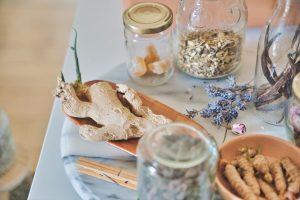
Discover effective herbal remedies for hayfever. Learn about nettle, butterbur, quercetin and more to naturally manage your seasonal allergy symptoms.

Explore bee pollen uk benefits, sourcing, and usage. Learn about potential risks and how to choose quality local British bee pollen.
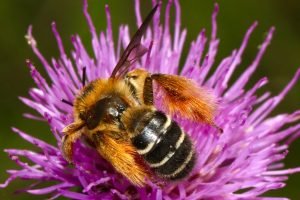
Explore the potential health benefits, nutrition, risks, and uses of bee pollen pills. Get informed before adding this natural supplement to your routine.