


Supplement Buying Guides

Top Organic Supplements in the UK That Really Work
Discover top organic supplements UK to boost health naturally. Explore natural, high-quality products for wellness, detox, muscle support, and more.
 Skip to content
 Long before trendy café menus, herbal tea was popular in many cultures, celebrated for its flavors and suggested health advantages. There are many different tea types, made from different herbs boasting different health claims, oolong tea, white tea, black tea, green tea, turmeric tea and many more.
Potential benefits can include, anti-inflammatory properties, immune function, heart disease, blood pressure, cell damage etc. Plant compounds are common in caffeine free tea making herbal tea a good health food night time drink.
With many different loose leaf tea choices out there the world of herbal tea can feel Confusing. In this blog we will discuss the different kind of herbal teas and their benefits. Tea up!

Unlike traditional tea from the Camellia sinensis plant (like green or black tea), herbal tea like green tea is an infusion or decoction. Steeping these components in hot water sets off a flavor explosion, as their natural loose leaf goodness is released.
For example, you might enjoy chamomile tea before bed for a more restful sleep. Or, sip on peppermint tea after a meal to aid digestion. Or even green tea to aid with stress.
While we call it “herbal tea,” it’s technically an infusion or decoction. To craft this drink, plant parts are carefully selected and extracted to release their natural flavors and compounds. Authentic tea, like white tea, black tea or green tea, originates from the Camellia sinensis plant.
From tea to tonic, the sheer range of botanicals gives each drink its own character. Rooibos tea, for example, is naturally caffeine free and comes from a South African plant.
Herbal tea’s appeal goes far beyond the simple pleasure of sipping something warm; its devotees are often tantalized by the multitude of flavors and health perks. Many herbal teas are naturally caffeine free tea, making them a comforting choice any time of day.
The taste is another factor. Whether you prefer sweet and floral or earthy and spicy, there’s an herbal tea for you. The buzz around these teas is loud and clear: they might just be the health boost we’ve all been waiting for.
As you sip on a soothing cup of herbal green tea, you’re actually getting a healthy dose of antioxidants, vitamins, and minerals that promote total wellness, reduce inflammation, lowering blood pressure. Some tea people even use loose leaf tea to create their own unique blends, include chamomile tea chamomile.
While many people believe in the positive effects of herbal tea, scientific backing adds credibility. One thing is certain: the numbers point to real health benefits, but figuring out the finer points demands ongoing scrutiny.
Animal studies have revealed a remarkable connection between cinnamon and blood vessel relaxation – it seems the spice can soothe even the smallest of vessels, like blood flow blood pressure medications. A review of nine studies with 641 participants showed that consuming cinnamon decreased both systolic and diastolic blood pressure.
It’s possible that the bioactive compounds in celery seed extract are behind its ability to simulate the actions of calcium channel blockers. This may help lower blood pressure naturally. A small study of 52 participants found those taking 1.34 grams of celery seed extract daily had lower blood pressure readings compared to those given a placebo.
From calming chamomile, stress releasing green tea to invigorating ginger, the variety is vast. Take a step out of your comfort zone and explore the rich tapestry of tea varieties – you never know when you’ll hit upon a hidden treasure that not only lifts your spirits but also bolsters your overall health.
Let’s get real about our daily habits – what small tweaks can we make to maximize their health benefits? Remember to use a tea strainer when brewing loose leaf tea strainers for optimal flavor.
This gentle herb has a soothing aroma and calming effect. Before calling it a night, a relaxing ritual can work wonders, and for many, that means winding down to catch some quality z’s.
Believe it or not, some findings even point to a connection between this and relief from cramps during your period. For a natural sleep remedy, try a cup of chamomile tea about an hour before bed.
Peppermint is a popular flavor for good reason. The next time digestive discomfort strikes, remember menthol’s icy grip can help quell the flames of bloating, gas, and indigestion. But that’s not all – scientists have also uncovered a potential connection to reduced blood pressure.
You won’t believe what a team of scientists found out. Rats that feasted on basil-rich foods for two months saw a dramatic drop in their blood pressure. While the mechanism isn’t fully understood in humans, peppermint tea has been enjoyed for this purpose for generations.
If you have occasional tummy troubles, consider making peppermint tea your go-to. Step away from the usual suspects – black and oolong tea – and explore a fresh, caffeine-free option that’s sure to tantalize your taste buds.
Besides its vibrant crimson color, hibiscus tea offers a unique flavor. Its tartness, often compared to cranberries, is refreshing.
Can a cup of hibiscus tea really help tame high blood pressure and cholesterol? Initial studies say yes, pointing to a promising link between the two. Antioxidants are also part of the package, and they’re like microscopic superheroes – dedicated to preserving your cells’ integrity and vitality.
To support cardiovascular health, try hibiscus tea. Add a bit of honey if the tartness is too strong for you.
In the annals of traditional medicine, ginger stands out as a tried-and-true ally against nausea, its spicy kick a welcome respite. If you’re feeling sick, sipping ginger tea may provide comfort.
One study of over 4,000 individuals indicated that those consuming 2-4 grams of ginger daily had a reduced chance of developing high blood pressure. Inflammation doesn’t mess with ginger – this spice has natural compounds that zero in on discomfort, helping to quiet it down and bring balance back to your body.
For an immune-boosting and nausea-fighting tea, try ginger tea with a squeeze of lemon.
With herbal tea, the line between mediocre and magnificent is often drawn at the brewing stage. Learn to brew it just right, and you’ll be rewarded with a rich, complex flavor profile that’s also good for you. Bring out the full potential of your herbs by experimenting with various steeping methods – from quick dips to prolonged soaks.
Look for herbal tea from reputable sources to experience authentic flavors. From the refined Loose-leaf tea to the humble tea bag, and even ready-to-drink brews, the options for a great cup are surprisingly diverse. Always pay attention to the ingredients list—the simpler, the better.
Steeping yourself in the world of herbal teas? First, make sure you’re sourcing your brew from a brand that shares your commitment to safety, evident in their carefully crafted ingredient lists. Knowing what you’re consuming is critical because, although rare, serious side effects can catch you off guard if you’re not prepared.
| Type of Herbal Tea | Water Temperature | Steeping Time |
|---|---|---|
| Chamomile | Boiling Water (212 F) | 5 – 7 minutes |
| Peppermint | Boiling Water (212 F) | 3 – 5 minutes |
| Hibiscus | Boiling Water (212 F) | 5 – 7 minutes |
| Ginger | Simmering Water (175 F) | 5 – 7 minutes |
These are general guidelines; always refer to your specific tea’s instructions. Experiment to find what you enjoy most.
Incorporating herbal teas into your routine can be fun and delicious. Start a tea ritual, savoring a cup during morning meditation or before bedtime. Wellness that starts from within is just a step away.
Don’t be afraid to get creative with your herbal tea. Try mixing different varieties, adding fresh herbs and spices, or using a bit of honey or lemon juice. Personalize your tea experience to your liking.
Why not try firing up your health with a simple yet powerful drink? Mix ginger and turmeric in a cup of hot tea for an anti-inflammatory boost. Or, mix peppermint and chamomile for a soothing bedtime blend.
As you enjoy herbal tea, pay attention to how your body reacts. Enjoy the benefits, but practice mindful consumption, especially when trying new herbs, as reactions can vary. It’s always best to speak with your doctor about possible contraindications if you are taking other medications or have existing health concerns.
Herbal teas may bring health perks, but don’t count on them as a replacement for doctor’s orders. Always consult with a qualified healthcare professional for any health concerns you may have.
Taking a sip of herbal tea is like stumbling upon a hidden garden of flavors and unsuspected perks for your well-being.
With scientific evidence and a low to none risk factor, adder herbal tea from trusted products is a no brainer. For a small commission unlock the benefits of drinking herbal tea.
Whether seeking relaxation with chamomile tea or digestive support with refreshing peppermint tea, incorporating herbal infusions can be an enjoyable experience. Every cup tells a story – from tart berry to mellow mint, the vastness of herbal teas beckons you to discover your signature brew.


Discover top organic supplements UK to boost health naturally. Explore natural, high-quality products for wellness, detox, muscle support, and more.

Find the best ways to boost energy naturally with the mighty Iron Supplements
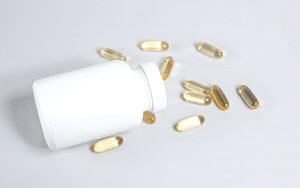
Explore how a canine probiotic supplement can enhance your dog’s gut health and overall wellbeing. Perfect for pet lovers seeking natural solutions!
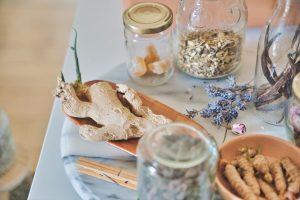
Discover effective herbal remedies for hayfever. Learn about nettle, butterbur, quercetin and more to naturally manage your seasonal allergy symptoms.

Explore bee pollen uk benefits, sourcing, and usage. Learn about potential risks and how to choose quality local British bee pollen.

Explore the potential health benefits, nutrition, risks, and uses of bee pollen pills. Get informed before adding this natural supplement to your routine.