
Supplement Buying Guides

Top Organic Supplements in the UK That Really Work
Discover top organic supplements UK to boost health naturally. Explore natural, high-quality products for wellness, detox, muscle support, and more.
 Skip to content
 Everyone loves that fresh-faced glow you get after a spa day. But achieving radiant skin doesn’t have to require expensive treatments. In fact, incorporating simple face mask skin care into your routine can make a big difference. But with so many options available, finding the right face mask for you can feel overwhelming. This post is here to help.

Face mask skin care comes in various forms, each addressing specific skin concerns. Let’s take a look at some of the most popular options.
Clay masks, particularly those containing ingredients like bentonite or kaolin clay, are well-known for their ability to absorb excess oil and impurities. This makes them a popular choice for individuals with oily or acne-prone skin. Clay masks can also help tighten pores and leave simple skin feeling refreshed.
Facial sheet masks are typically made from a thin, fibrous material soaked in a serum rich in beneficial ingredients. They come in various formulations, targeting concerns like hydration, brightening, and anti-aging. Their convenience and ease of use make them a favourite for busy lifestyles for hydrating face.
Cream masks, often infused with nourishing oils and emollients, are ideal for those with dry or sensitive skin. These masks work to deeply moisturize and soothe the skin, leaving it feeling soft and supple.
Exfoliating masks contain ingredients that help remove dead skin cells and reveal a smoother complexion. These can be physical exfoliants like scrubs or chemical exfoliants like AHAs (alpha-hydroxy acids) or BHAs (beta-hydroxy acids). Exfoliating masks can help to improve skin texture, brighten the complexion, and allow for better absorption of other skincare products like salicylic acid
Many effective face mask skin care recipes use natural ingredients. This offers a fun, cost-effective, and personalized approach to pampering your glowing skin. Here are a couple of recipes to try at home.
Honey is a natural powerhouse known for its antimicrobial and anti-inflammatory properties. Dr. Ife Rodney, a leading dermatologist in Maryland, suggests raw honey due to its enhanced antioxidant content (6). Applying a thin layer of Manuka honey to slightly damp skin for about 15 minutes and gently rinsing it off with a moisturizing cleanser can work wonders in reducing redness. Manuka honey is known for its particularly strong antibacterial benefits (11).
If you’re prone to dryness or irritation, an oatmeal mask is a great choice. Dr. Rodney suggests oatmeal due to its ability to improve dryness and soothe the dry skin (2). You can easily make this by mixing ½ cup of colloidal oatmeal with ¼ cup of warm water. Apply the mixture to your face and leave it on for 15 minutes. Then rinse it off with warm water. Simple, right?
While DIY masks offer customization, ready-made face mask products provide convenience. They’re perfect when you lack the time or energy for a homemade mask. Check out these excellent ready-to-use masks.
This luxurious honey mask contains real honey to deeply hydrate, nourish, and soothe skin. It’s a true indulgence for pampering the skin barrier and fine lines.
This is a great option if you’re dealing with irritation. This oatmeal-based mask calms, soothes, and hydrates, relieving redness and discomfort.
This antioxidant-rich mask helps to protect your uneven skin from environmental damage and promote a healthy glow. Plus, it’s a good option if you like natural products.
While a face mask provides a boost of targeted skincare, following a few simple tips will get you the best results from your face mask skin care routine and reduce dark circles
Think of your skin as a canvas that needs prep. Before applying any face mask, start by cleansing your face thoroughly to remove any makeup, dirt, or oil buildup. This allows for better penetration of the mask’s beneficial ingredients. Consider using a gentle exfoliator, either physical or chemical, one to two times per week to further enhance absorption.
The frequency of mask use varies based on skin type and the mask type. Clay masks, which can be slightly drying, may be used one to two times a week for oily skin. Sheet and cream masks can often be used more frequently depending on their formulation. It is generally advisable to leave masks on for the recommended time, typically 10-20 minutes. Avoid exceeding the recommended duration, which could irritate your skin.
After rinsing off the mask, gently pat your skin dry and apply your usual serums and moisturizer. You might also like to try applying a toner before your serum. Toner further helps restore your skin’s natural pH balance and enhances the absorption of following skincare products.
A helpful way to create a face mask skin care routine is to categorize masks into daily, weekly, or occasional treatments based on their benefits and intensity.
For a daily mask, a hydrating sheet mask containing hyaluronic acid can help to maintain moisture levels. Many find applying this type of mask after cleansing in the morning is a great way to start the day with collagen production.
Once a week, an exfoliating mask can help improve skin texture and prepare the skin for further treatments. Alternatively, consider a deep-cleansing clay mask to address excess oil and impurities.
For occasional or special treatments, cream masks can deliver an extra boost of hydration and pampering. Specialty masks targeting specific concerns, like hyperpigmentation or dullness, can be used on an as-needed basis.
| Mask Type | Frequency | Benefit |
|---|---|---|
| Hydrating Sheet Mask | Daily | Maintain Moisture Levels |
| Exfoliating Mask | Weekly | Improved Skin Texture |
| Deep Cleansing Clay Mask | Weekly | Address Excess Oil |
| Cream Mask | Occasional | Boost of Hydration |
A key point to keep in mind is that everyone’s skin is different. What works for one person may not be the perfect solution for another. You might need some trial and error before discovering the most effective masks and routine for your skin. A patch test can help you avoid any adverse reactions, especially if you have sensitive skin or using eye cream.
Whether face masks benefit you largely depends on your individual skin type and choosing a mask appropriate for your needs. Selecting the right mask and applying it properly can enhance your skincare routine.
That depends on your skin. Clay masks often work best for skin oily or acne-prone skin while hydrating sheet masks or cream masks suit drier complexions. Exfoliating masks can be helpful for various skin types but require more caution with sensitive skin. Do a patch test on a small area of your skin before applying a new mask to your whole face, especially if you are unsure about a product’s ingredients.
Using a skin face mask every day might not always be ideal. Frequent application of certain mask types could irritate, dry, or disrupt your skin’s natural balance. The best frequency really varies depending on your skin type, the ingredients in the mask, and how your skin reacts. Pay attention to how your skin feels and adjust your routine as needed.
Before a mask, always cleanse your face. Consider an exfoliating step before applying a mask once a week to remove dead skin and enhance the mask’s absorption. After masking, pat your skin dry and continue with your routine. That includes toner (optional), serum, moisturizer, and, of course, sunscreen during the day to improves skin.
When incorporated wisely, face mask skin care offers a simple yet effective way to improve skin health and enhance your overall routine. Whether you opt for a simple homemade mask with pantry staples or a pre-made sheet mask tailored for specific needs, finding the right approach for your skin can yield remarkable benefits, giving you that radiant, healthy glow you deserve for skin care skin.
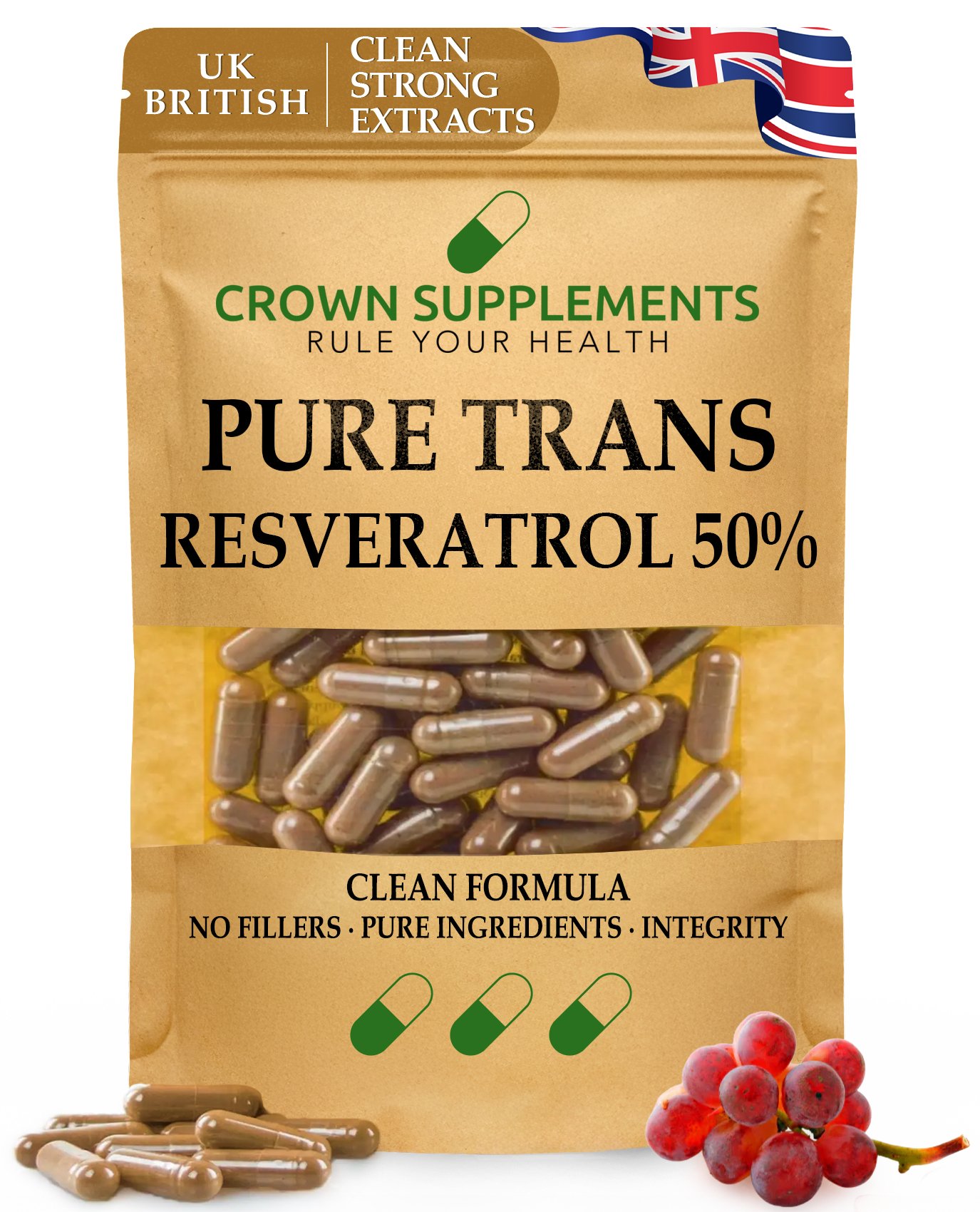

Discover top organic supplements UK to boost health naturally. Explore natural, high-quality products for wellness, detox, muscle support, and more.

Find the best ways to boost energy naturally with the mighty Iron Supplements
Explore how a canine probiotic supplement can enhance your dog’s gut health and overall wellbeing. Perfect for pet lovers seeking natural solutions!

Discover effective herbal remedies for hayfever. Learn about nettle, butterbur, quercetin and more to naturally manage your seasonal allergy symptoms.

Explore bee pollen uk benefits, sourcing, and usage. Learn about potential risks and how to choose quality local British bee pollen.

Explore the potential health benefits, nutrition, risks, and uses of bee pollen pills. Get informed before adding this natural supplement to your routine.