

Supplement Buying Guides

Top Organic Supplements in the UK That Really Work
Discover top organic supplements UK to boost health naturally. Explore natural, high-quality products for wellness, detox, muscle support, and more.
 Skip to content
 Imagine stepping into a garden ablaze with color, thanks to the vibrant blooms of echinacea plant and ornamental grasses, their daisy-like flowers swaying gently in the breeze.
Deep within echinacea’s simplistic beauty lies a rich narrative of healing tradition for this hedging plants. For centuries, this flowering botanical echinacea plant has helped individuals fight off illness and inflammation, yielding appreciable dividends for those who use it wisely.
How might this plant benefit you, what information do you need to know?

Echinacea purpurea, a member of the daisy family, hails from North America, specifically the Great Plains region. Way back when, Native Americans were the first to recognize the incredible medicinal benefits of this humble plant. Looking for a natural way to fight off colds and flu?
Researchers turned to nine echinacea purpurea species and found some impressive results through clinical trials, including significant relief for bronchitis and other respiratory issues.
While its medicinal applications may be known, it’s important to acknowledge that not every plant offers the same benefit. You’ll find that a select few types have gained popularity in recent years, particularly in the realm of supplemental health products.
While nine different species exist in the wild, modern medicine mostly focuses on these three echinacea species: Echinacea purpurea (purple coneflower), Echinacea angustifolia (American cone flower) , and Echinacea pallida 10. Medicinal use casopects don’t get much easier than these species, which top the list of readily available options. The vibrant color variations among species — petals of pink or purple encircling a spiky, dark brown or red seed cone — make echinacea an aesthetic wonder, too 5.

Echinacea purpurea has been found to pack a mighty punch when it comes to healing – and now we know why. Active components like alkamides, caffeic acid derivatives, polysaccharides, and glycoproteins offer several benefits.
Echinacea purpurea has become popular as an immune system supporter, widely used to battle common illnesses like upper respiratory tract infections . The plant’s impressive immunological benefits don’t just stop at one type of immunity – it supports them all. Fight off everything from the common cold to nasty superbugs with this supercharged defense system.
Picture this: your immune system mobilizes its specialty troops – phagocytes – to scarf up and recycle rogue bacteria, ensuring a stronger, more effective response to infections. Fibroblasts, the cells that patch up damaged tissue, get a boost from echinacea purpurea, which sets them to work at their fastest pace. At the same time, it revs up production of interleukins, the vital signals that keeps your body’s immune cells on the same page. Teaming up, immune cells become supercharged and honed in for action.
Studies have linked the presence of alkamides to echinacea’s remarkable immunomodulatory properties 26. Whole echinacea preparations are often seen as more potent than standardized extracts in promoting immune function.
Echinacea purpurea, rich in alkamides, boasts notable anti-inflammatory prowess. This translates to speed-up recovery time, significantly less pain, and a big reduction in unsightly redness and swelling, decrease inflammation. By hindering cyclooxygenase (COX-1 and COX-2) and 5-lipoxygenase (F-LO) enzymes, it inhibits the production of inflammatory messengers. These messengers, prostaglandins and leukotrienes, contribute to inflammation.
Arthritis patients may one day benefit from echinacea’s medical properties, currently being researched for their therapeutic value. Inflammation doesn’t stand a chance with this powerful assistant on your team.
From a scientific standpoint, the performance of echinacea purpurea extracts and isolated compounds in research trials has been nothing less than impressive. Compounds like alkamides and polyacetylenes seem to have the potential for slowing down cancer cell growth.
Conditions that require high precision really benefit from these strengths. Cancer of the breast creeps up silently, often taking loved ones by surprise, making the fight against it an intimate, emotional battle. The cancer battle rages on, attacking not just breasts, but also devastating colon and pancreas tumors, notoriously vicious at stage 26. Although in the early stages of research, echinacea’s potential role in slowing down tumor growth is captivating.

Echinacea purpurea extracts, particularly those from Echinacea angustifolia, have shown potential in lowering anxiety scores in some studies. What we’re seeing so far is a distinct drop in anxiety among those who’ve taken these extracts – and that’s promising.
Research further hints at alkamides’ role in reducing anxiety by acting on the brain and the central nervous system, particularly the endocannabinoid system 26, 11.
Think of free radicals as high-impact bombers just waiting to unleash a barrage of chronic illnesses – but with the right countermeasures, we can knock them out of commission. As cells get damaged by free radicals, echinacea swoops in with its arsenal of antioxidants to mop up the mess. This helps the body fight off harmful substances known as reactive oxygen species (ROS) or free radicals.
Cells under attack from these substances are like ticking time bombs, primed to unleash a avalanche of diseases, including cardiovascular disease, diabetes, and even the dreaded “C” word – cancer. Antioxidants are the lifeblood of our wellbeing, and fortuitously, echinacea steps up to the plate as a potent contributor. Some controlled trials even highlight echinacea extract’s short shelf-life when applied topically 32.
Limited evidence indicates that echinacea may help reduce certain types of pain, such as common cold or osteoarthritis pain. The science is clear: certain compounds within the herb trigger a response from CB2 receptors.
When activated, CB2 receptors, found within your body’s endocannabinoid system, offer a soothing, pain-relieving effect 1, 20, 26. When echinacea hits these receptors, it’s like a key fitting into a lock – it could be just what you need to manage pain naturally, like the common cold.
Clinical trials has shown that topical creams with echinacea extracts may support treating mild cases of atopic dermatitis (commonly known as eczema ). Applied consistently, it shows improvement in reducing redness, dryness, and inflammation of the skin 22.
The fascinating potential of echinacea in skincare is barely scratched, yet its boundless possibilities are making waves. However, as echinacea may stimulate the immune system, those with auto-immune disorders should discuss usage with a medical professional beforehand.
While generally considered safe, there are a few things to know before trying echinacea. Side effects are a possibility with any supplement, and that’s because our bodies all respond differently. Special precautions for allergic reactions, stomach pain, respiratory tract infection and heart disease.
For most people, short-term use of echinacea for periods under 10 days is usually harmless about . However, some, particularly children, have developed skin rashes during controlled trials 9.
If you have sensitivities to plants in the same family — like ragweed or daisies — consult your doctor before using echinacea products. They can advise if echinacea is safe for you and recommend the appropriate form and dosage.
While short-term use is generally fine for adults, it’s important to be mindful of drug interactions. If you are taking any medication like lopinavir / ritonavir, consult with your doctor or a qualified healthcare professional to determine if echinacea is right for you.
Given its vast history and research backing its health advantages, you might wonder: Is echinacea right for me? Considering how commonly used it is, this makes perfect sense.
Echinacea appears to have minimal risk for most individuals. One thing’s for sure – the strength of the benefits hinges on a multitude of factors that can tip the scales. If you’re planning on incorporating echinacea into your wellness routine, consult a health professional to ensure it’s compatible with any current health conditions or medications you’re taking. Health mentors don’t get more precise – theirs is an approach that addresses your individual health puzzle.

Yes. Many species of echinacea are perennial. If given the right growing conditions with lots of sun and good soil drainage, they’ll reliably brighten up your garden year after year.
Echinacea flourishes in spots that receive a generous dose of sunlight throughout the day. Ensuring they’re planted in well-drained soil also helps them thrive beautifully Perennials .
It depends on the variety. Some echinacea spread gracefully through their roots. If you’re working with limited garden space, consider opting for a clump-forming variety or growing your echinacea in pots Pots .
Let’s separate fact from fiction – echinacea’s exciting research can’t cure every ailment under the sun.
Beyond its beauty, echinacea is primarily known as an immune booster and is available in supplement form. A lot of scientific data indicates that the compounds in this wonderful plant, while not directly eradicating the common cold, can help reduce cold and flu symptoms and their duration. There are even preliminary studies exploring echinacea’s potential for helping to manage conditions like anxiety and cancer, though this needs more investigation The Top 7 Therapeutic Uses of Echinacea .
Bloom with vibrant intention, echinacea plants make a splash in any garden setting while also harboring centuries-old secrets for natural wellness. Ancient Native American wisdom has been singing the praises of this striking plant, and for good reason – it’s a treasure trove of aesthetic appeal and health perks.


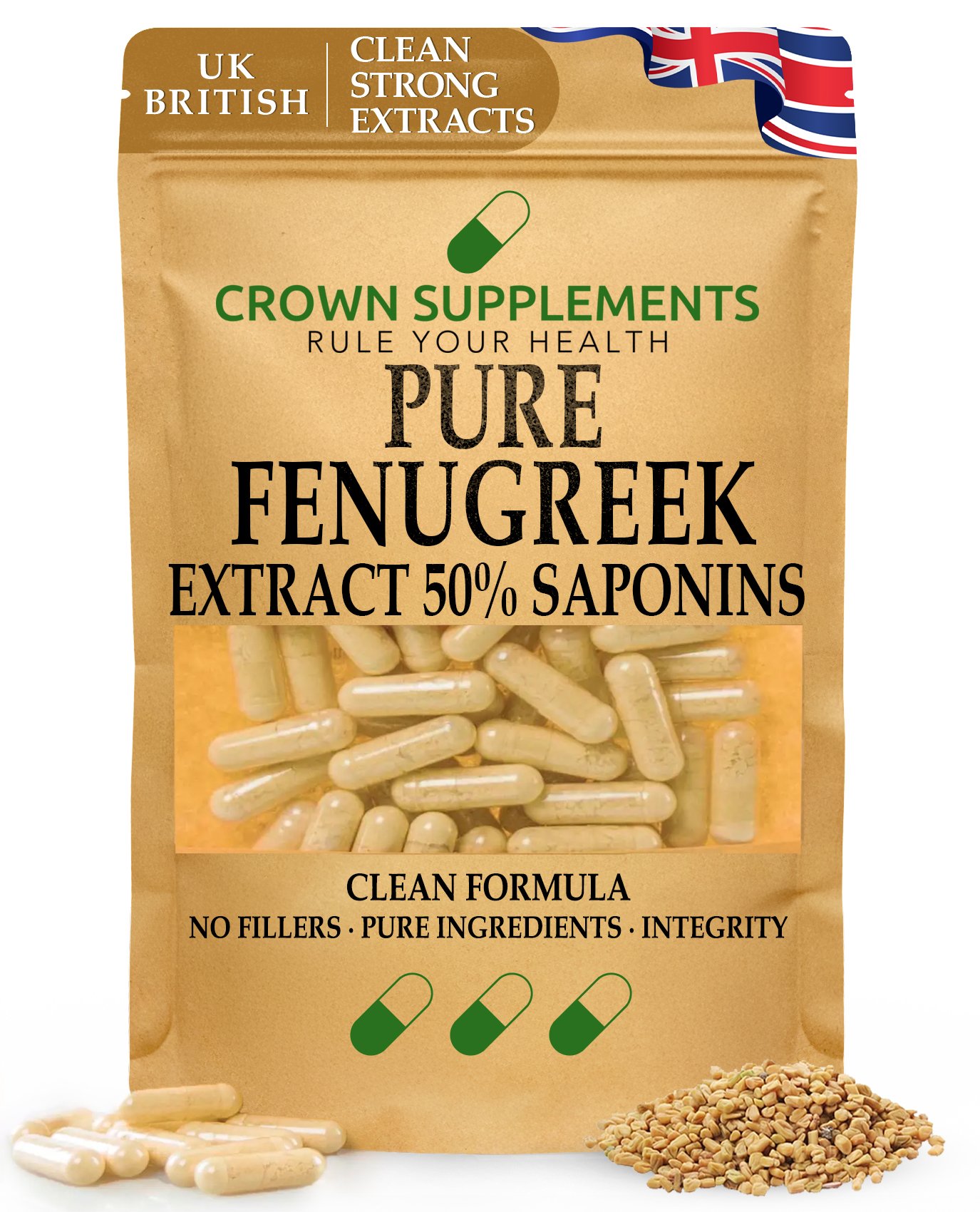
Discover top organic supplements UK to boost health naturally. Explore natural, high-quality products for wellness, detox, muscle support, and more.

Find the best ways to boost energy naturally with the mighty Iron Supplements
Explore how a canine probiotic supplement can enhance your dog’s gut health and overall wellbeing. Perfect for pet lovers seeking natural solutions!

Discover effective herbal remedies for hayfever. Learn about nettle, butterbur, quercetin and more to naturally manage your seasonal allergy symptoms.
Explore bee pollen uk benefits, sourcing, and usage. Learn about potential risks and how to choose quality local British bee pollen.

Explore the potential health benefits, nutrition, risks, and uses of bee pollen pills. Get informed before adding this natural supplement to your routine.