


Supplement Buying Guides

Top Organic Supplements in the UK That Really Work
Discover top organic supplements UK to boost health naturally. Explore natural, high-quality products for wellness, detox, muscle support, and more.
 Skip to content
 Argan oil oils, often called “liquid gold,” has become a beauty staple. But is it a carrier oil or an essential oil? This article explores everything about argan oil oils, from its origins and production to its uses and benefits for dry skin, split ends and more.
Argan oil is a carrier oil, extracted from the fatty portions of the argan tree’s nuts. Essential oils, however, are volatile aromatic compounds extracted from various plant parts like flowers, leaves, or bark.
Essential oils are potent and usually diluted with carrier oils like argan oil for safe topical application. Argan oil’s moisturizing and nourishing properties make it an excellent carrier, enhancing the essential oils’ effects and providing its own benefits.
Argan oil originates from the argan tree ( Argania spinosa ), found exclusively in southwestern Morocco. The argan forest, a UNESCO biosphere reserve, provides the perfect environment for this unique tree.
Known as the “tree of life,” the argan tree is vital culturally and ecologically. Argan oil’s value extends beyond beauty, offering economic support to local communities and featuring in organic essential oils and gift sets.
Traditional argan oil production is labour-intensive, starting with fruit collection and peeling to reveal the nuts. Argan oil is often extracted by hand, traditionally.
This traditional method involves drying and roasting the nuts before grinding or pressing to release the oil. Modern techniques reduce manual labour and broaden employment opportunities.
The final product can then be found for free delivery in many places.
Read about
Argan oil’s benefits derive from its rich nutritional profile, featuring certified organic ingredients. This makes it useful in hair masks.
Argan oil is a skincare staple, known for moisturizing dry skin and reducing wrinkles. It promotes a healthy glow, potentially due to its antioxidant and anti-inflammatory properties (Source 17, Source 18).
Argan oil might reduce inflammation and oxidative stress (Source 16). While not a proven acne cure, it may soothe irritation and hydrate, preventing breakouts (Source 18).
Many use argan oil for stretch marks, hoping it will improve skin elasticity and reduce inflammation, though more research is needed (Source 7, Source 17). Topical stretch mark treatment efficacy remains uncertain (Source 22).
Read about
Argan oil’s fatty acids benefit both skin and hair (Source 1, Source 20). Applying a few drops as a serum or mixing it with hair products adds moisture and shine (Source 21).
Argan oil might reduce breakage and split ends. Body care routines often incorporate it as a leave-in conditioner or hair mask for added nourishment.
Argan oil’s uses extend beyond topical applications. More robust clinical trials are needed, but its potential health benefits include its potential cancer-fighting abilities are exciting.
Consuming argan oil might lower “bad” LDL cholesterol and improve heart health, similar to olive oil’s effects on heart disease risk (Source 1, learn about olive oil here ). Regular intake might also decrease blood sugar and insulin resistance (Source 12, Source 13).
Promising results with cancer cells have prompted further anticancer research using argan oil’s potential cancer-fighting properties, particularly with phenolic compounds, cell growth, and potential effects on prostate cancer, reducing inflammation, oxidative stress and ‘bad’ LDL cholesterol.
Early animal studies suggest it could accelerate wound healing ( Source 19 ). Medical recommendations require more research. Consider argan oil’s nutty flavour when used for cooking or in meals to boost heart health.
The argan oil market offers a vast array of products. Look for pure, organic essential oils, cold-pressed to retain maximum nutrients.
For culinary argan oil, ensure it’s specifically labelled as such. Never use cosmetic argan oil for cooking, as it may contain additives. Improperly stored oils, like oil exposed to extreme temperatures, should not be ingested or applied to the skin.
Read about
Apply pure argan oil directly to cleansed skin, or add a drop or two to your moisturiser.
Use regularly as needed for optimal skin benefits. Its effects on flaky scalps make it an ideal additive to skin creams.
Work a small amount through damp or dry hair, focusing on split ends or damaged areas. Avoid the roots if your hair is oily.
Consider adding it to hair products or using solid hair products containing shea butter and argan oil. It’s easy to find many organic essential oils from non-profit suppliers offering free delivery.
Argan oil is renowned for its moisturizing and nourishing properties, making it a popular choice for skin and hair care. It may also offer potential health benefits like improved heart health and wound healing.
People with nut allergies should avoid argan oil. Begin with a small amount for any first-time user, as individual reactions can vary. Avoid consuming oil of uncertain origin or storage.
Yes, argan oil is often used on the face to moisturize, reduce wrinkles, and soothe acne irritation.
Argan and coconut oil offer different benefits. Lighter argan oil absorbs easily, suiting most skin and hair types. Thicker coconut oil provides deeper moisturizing but might clog pores in oily skin.
Argan oil oils, rightly nicknamed “liquid gold,” offers versatile benefits for beauty and health. Whether applied to hair, skin, or consumed in moderation, its uses are numerous and simple, making it an effortless addition to daily routines.



Discover top organic supplements UK to boost health naturally. Explore natural, high-quality products for wellness, detox, muscle support, and more.

Find the best ways to boost energy naturally with the mighty Iron Supplements
Explore how a canine probiotic supplement can enhance your dog’s gut health and overall wellbeing. Perfect for pet lovers seeking natural solutions!

Discover effective herbal remedies for hayfever. Learn about nettle, butterbur, quercetin and more to naturally manage your seasonal allergy symptoms.
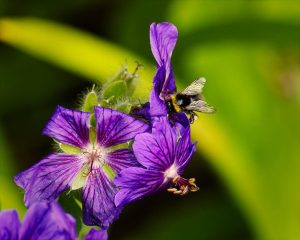
Explore bee pollen uk benefits, sourcing, and usage. Learn about potential risks and how to choose quality local British bee pollen.

Explore the potential health benefits, nutrition, risks, and uses of bee pollen pills. Get informed before adding this natural supplement to your routine.