


Supplement Buying Guides

Top Organic Supplements in the UK That Really Work
Discover top organic supplements UK to boost health naturally. Explore natural, high-quality products for wellness, detox, muscle support, and more.
 Skip to content
 Ever felt lost in the sea of health advice, particularly when it comes to something as fundamental as ? You’re trying to eat right, maybe you have specific fitness goals, but it all feels so general. This is where applied nutrition steps in. It is about making food work for *you*, bridging the gap between general dietary guidelines and your individual needs, creating a truly personalised approach.
It moves past simple calorie counting. It considers your lifestyle, genetics, and any health concerns or preferences that exist for you as an individual. Think of it as creating a nutritional blueprint. It uses the scientific understanding of how nutrients affect the body, taking broad guidelines and applying them to each individual’s personal situations.
The core of applied nutrition lies in understanding biochemical processes. This field explores how the body digests, absorbs, and utilizes various components in what we consume daily. This involves knowing what proteins, carbohydrates, and fats do, and delves into vitamins, minerals, and even phytonutrients. It’s important to know where this all started to appreciate the journey.
Our grasp of how food affects the body comes from a long history. The ideas originate from Ayurvedic medicine , which focuses on individualized diets. Modern science refines those ideas. It continues to discover the complex systems within our body.
Applied nutrition moves from concepts into actions. Let’s examine a couple of examples to illustrate this transition.
A marathon runner needs a lot more than just “carbs.” Their applied nutrition plan considers the timing of nutrient intake, necessitating adjustments before and after training. They may need increased protein powder for muscle repair, and electrolyte balance becomes crucial. They might also benefit from sports nutrition products designed for endurance athletes.
Someone with lactose intolerance avoids dairy, a broad application stemming from generalised understandings. With applied nutrition , they learn other ways to get needed nutrients like calcium. They will be looking into alternative food and supplement options, such as vegan protein sources, and how to incorporate them into their daily diet.
So, how does this look for the average person? There are basic steps involved that anyone can benefit from, with the guidance of people around to support you. This gives people more confidence when having discussions at a doctor’s visit.
It starts with honesty. Begin to track everything that goes into your body.This allows you to consider if you get enough vegetables in your diet. Take time to be objective about the details.
Working with a certified nutritionist or registered dietitian can offer personalised support. There is a wealth of general data available, even from resources. It involves making that specific to your circumstances. Guidance on the process could be helpful for someone starting on this new change.
Is your main interest in weight management, fitness goals, or improving any diagnosed problems? Define your “why”. Your nutritionist helps develop a sustainable plan, tweaking it as you progress. Resources will come with updates to best health practices.
Sometimes, it’s the logistical aspects that trip us up. Here are some supports that anyone may find of great help to assist their journey:
What works for a teenager will be completely inappropriate for a senior citizen. Its understands this, providing a plan to match that unique specific stage of living.
Kids are not tiny adults. During their period of growth, the goal has to priorities balanced macro and micronutrients to encourage natural development. Building healthy habits starts early. Establishing practices young can establish lifelong habits that are useful as time goes on.
Needs can change wildly in adulthood, based on whether someone has an office job versus a construction career. There needs to be changes to their daily practice. Considerations can be different for pregnancy or while managing chronic diseases.
Our bodies change with age. Changes to a plan become critical for anyone’s later stage of life. This could require focusing on nutrients that help bone density. Helping with digestive health becomes important, as does maintaining muscle mass with adequate protein intake.
It is not a set of quick fixes. People are different. Separating real information from fad diets can feel tough. Knowing what *not* to focus on can be valuable knowledge for those serious about making a change.
General advice is a *starting point*. Mass programs do not often provide custom support to a specific situation that may be required. Your background and goals are not like those of every other individual. It goes much deeper to discover your individual needs that you can improve on, whether you want to start small or dive into big goals with options like using a mass gainer or focusing on fat loss.
Supplements can help fill gaps, including options like vitamin water for added nutrients. However, applied nutrition stresses whole food over taking different types of supplements. Eating a variety of colourful fruits and vegetables provides nutrients that can support you.
Sustainability comes from balance. Crash diets might help to gain results short term. Focus instead on gradual, realistic changes. It’s less about cutting out entire food groups and more about looking at the best proportion in relation to your individual make-up, perhaps incorporating things like protein snacks or exploring different protein sources. There are options such as a vegan diet. Others might consider meal kits. Find things that will support your changes that you find comfort in. You’re aiming for sustainability, think longer-term and permanent, rather than something done very briefly.
It seems more individuals want control of their well-being.
Think of apps that give instant feedback on meal choices. Wearable devices might track activity and how your body reacts to your input, offering valuable data for making adjustments to your nutrition plan. We live in an advanced world. There are amazing devices that have transformed other aspects of our daily routines; embrace options like convenient energy drinks or protein bars that could fit a long-term plan.
This looks into potential dietary sensitivities, and areas that will provide the most support in developing positive physical outcomes. Your background is your history; however, with advanced knowledge, you can create custom and more beneficial plans, maybe even including targeted supplements like collagen peptides for joint health or amino acids for muscle recovery.
This is where the “applied” aspect shines. Working with a nutritionist to improve health outcomes for serious cases is possible.
Applied nutrition teaches blood sugar control. This can have real-world benefits when living with diabetes. It’s about balancing types of carbohydrates and their consumption schedule. It may mean timing carbs, finding optimal portions, and exploring better substitutes, all while working in a sustainable way, focusing on things like incorporating a balanced meal replacement.
This is a frequent health concern. Diet changes that you make can influence how things progress over time. There is clear evidence behind suggestions like reducing saturated fats. Nutrition helps those suffering learn their personal tolerances and best foods to choose. This could include incorporating specific nutrients that support immune support.
We’re starting to understand the bacteria inside our bodies. It can relate to conditions. Applied nutrition learns about pre and probiotic foods. Working with a nutritionist will customise strategies best fitting to that specific gut, perhaps suggesting things like mct oil or focusing on specific nut butters for healthy fats.
It seems more well-known how the gut and brain are connected. The field can expand outside physical attributes alone.
Research is uncovering how foods influence mood and brain function. A balanced diet supports overall emotional health; it seems what is eaten will change levels of happiness, anxiety, or mood. Foods seem to affect hormone levels that control mood. If you’re feeling low, consider if you can explore changing your diet for different results, possibly incorporating things to assist with stress relief.
Stress impacts food choices, frequently in harmful ways. Having resources will increase the likelihood of supporting you better when emotions fluctuate during moments of feeling stressed or out of control with food. Learning your triggers and alternative ways to cope with stresses in healthier, more nourishing routes helps develop sustainability.
Let’s delve into an example case. Polycystic Ovary Syndrome (PCOS) can create concerns for women of any age. A woman with PCOS was looking to achieve more regular periods while seeking new ideas to assist in managing insulin better. She was also anxious about potentially becoming a mother one day and the potential struggles with getting pregnant. It was found that some simple changes provided confidence she had never felt before regarding this diagnosis, which she received at such an early point in her life.
Here’s how those PCOS goals were broken down into a helpful Table:
Area of Concern | Potential Challenges | Dietitian Plan |
|---|---|---|
Menstrual Cycle Irregularity | Potential disruption due to unbalanced hormones, impacting reproductive health | Balancing carb consumption and prioritising those from low GI-foods; this helps regulate periods. It could involve considering diet protein to help manage blood sugar. |
Reducing Anxiety | Dealing with fear for something far into the future and stress that creates can alter mental health | Balancing blood sugar to support hormone stability, a balanced mindset would provide reassurance. Exploring options like caffeine-free alternatives to common stimulants. |
Improving Insulin Sensitivity | Addressing potential long-term consequences | Emphasising good consumption for long-term help is critical in feeling comfort in progress with body response. Potentially using products like, applied nutrition clear whey. |
It took many months. She did feel less bloated. Her cycle began getting normal, it happened slowly. However, it provided belief about the direction and a framework for sustainable weight management.
The field is based on scientific practice and has been changing. There has been work in studies and finding individual responses to food, which gives support and credibility for applied nutrition being a trusted practice for those supporting various goals. It’s not just about general guidelines but could involve recommendations of specific products for your needs such as critical whey protein or beef protein isolate.
It does not belong to any single business. Its a field of study and practice. It could potentially have ties to many different businesses in the health and wellness industry. Many different supplement companies may advertise under the ” Applied Nutrition ” Brand such as Applied Nutrition ABE
Applied nutrition focuses on personalising advice for individuals to manage health outcomes. It is about personal goals or general well-being versus the common generic advice. It can incorporate recommendations from a variety of products including body fuel, pre-workout formulas, and convenient protein shakes.
It depends, Applied nutrition can assist someone’s health in a range of ways, focusing on preventative measures and optimizing well-being. Clinical nutrition often comes into play when addressing specific medical conditions. Both are valuable and may even overlap. For some it could include options like focusing on their muscles & gut health.
Applied nutrition transforms nutrition information that can get you results, helping in gaining insight with practical changes, supporting you in getting outcomes based around any current goals that motivate and inspire confidence, enabling you to get closer to optimal health using various different tools including a refreshing sparkling protein water and delicious tasting protein whey protein that can contribute long-term healthy living.

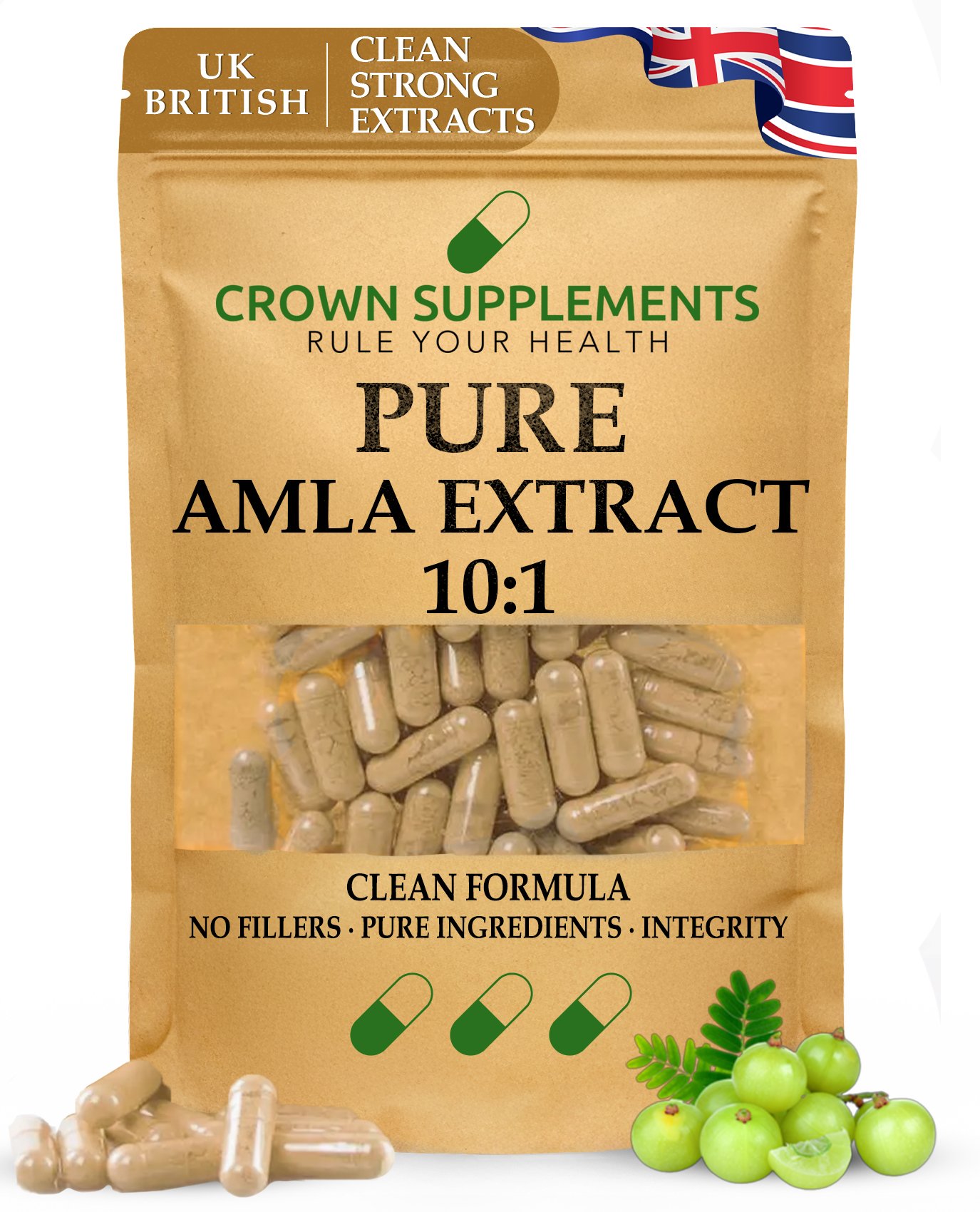


Discover top organic supplements UK to boost health naturally. Explore natural, high-quality products for wellness, detox, muscle support, and more.

Find the best ways to boost energy naturally with the mighty Iron Supplements

Explore how a canine probiotic supplement can enhance your dog’s gut health and overall wellbeing. Perfect for pet lovers seeking natural solutions!

Discover effective herbal remedies for hayfever. Learn about nettle, butterbur, quercetin and more to naturally manage your seasonal allergy symptoms.

Explore bee pollen uk benefits, sourcing, and usage. Learn about potential risks and how to choose quality local British bee pollen.

Explore the potential health benefits, nutrition, risks, and uses of bee pollen pills. Get informed before adding this natural supplement to your routine.